
Most of the owners we meet at Avivar aren’t in trouble. They built something real. The business pays its people, keeps its customers, and has earned a reputation that took years to build. The challenge they’re grappling with isn’t really a problem. It’s that they’re running an owner dependent business, and the real question is how to prepare it for the next chapter: growing the business past where it is today, creating a succession plan and prepping the person or team that will eventually take over, or selling it to someone from the outside.
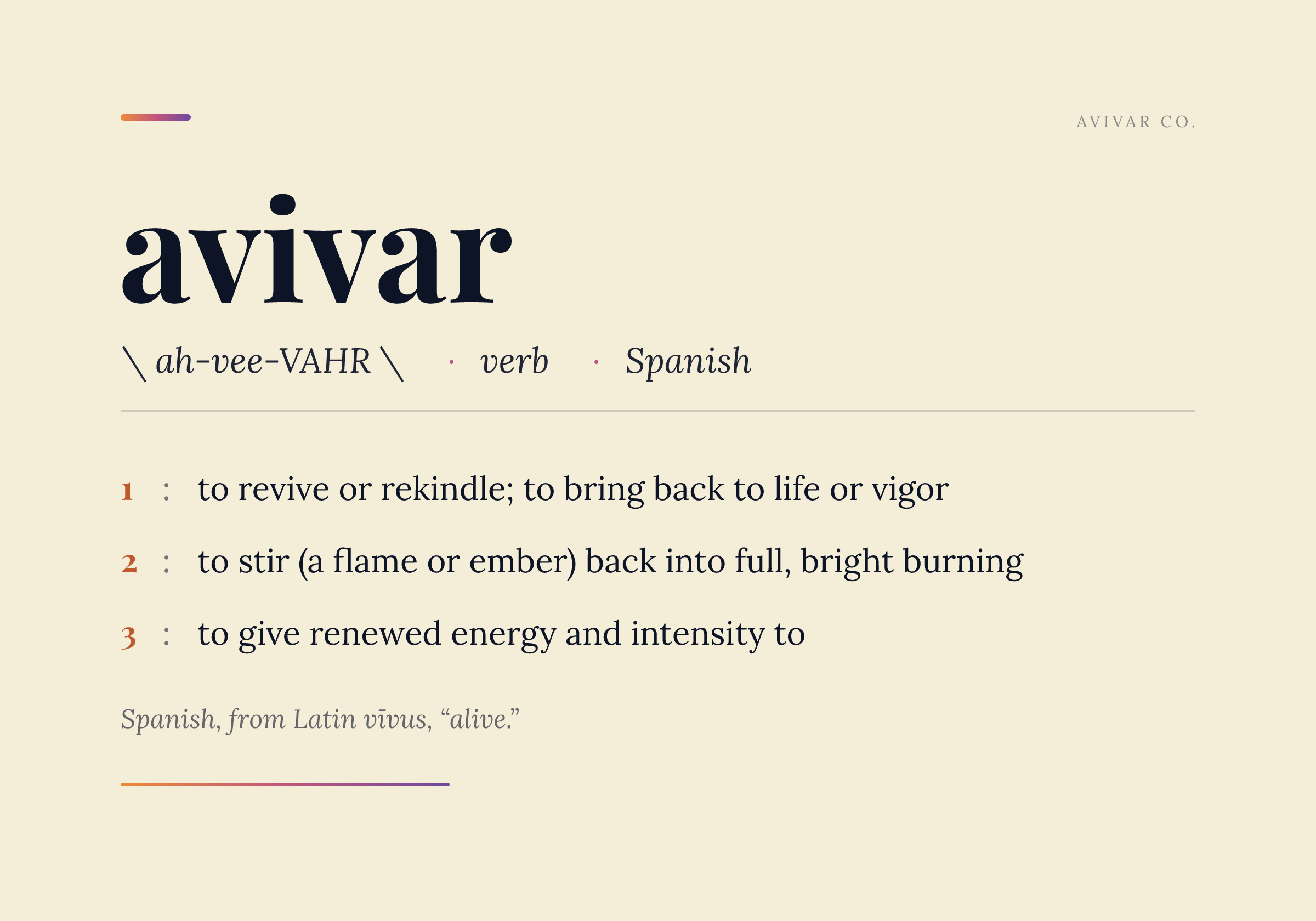
That’s the work Avivar exists for. Avivar is an embedded business advisory firm that helps owner-operated businesses of roughly five to fifty employees get ready for growth, succession, or sale. We help owners see where the business really stands and get it ready for what comes next. This blog, which we’re calling Field Notes, is where we’ll write about that work in the open, one piece at a time.
What is an owner-dependent business?
An owner dependent business is one where the value, decisions, relationships, and know-how are concentrated in the owner. It can look strong from the outside and still rely on one person for far too much.
Each of us spent a significant amount of our careers inside larger organizations before we started working with owner-led businesses, and each of us has noticed the same pattern from a different angle.
The owner holds the customer relationships, makes the pricing calls, approves the exceptions, knows which vendor to call when a shipment goes sideways, and carries the standards of the business in their head rather than in anything written down. None of that is a failure. It’s how a business gets built. But it’s also the single biggest thing standing between the business as it is today and the business the owner wants it to become, because a buyer, a successor, or a growth plan all need something the owner cannot simply hand over on the last day.
Milcia noticed it in how a business communicates. What the company says to the market and what its people actually experience inside the walls drift apart quietly, and the gap shows up first in trust, with customers and with employees. Chuck noticed it in the numbers. Ambitious plans get tested against market, margin, and capacity, and the plans that fail usually failed on capacity: the business could not carry what the owner asked of it. He also saw how a decision can disappear between the meeting where it was made and the people expected to carry it out, unless someone turns it into training, tools, and habits that can outlast any one person.
Two lenses, one pattern. We decided to work on it together.
How much does your business depend on you?
More than most owners expect, and that’s normal. The useful question is where the dependence sits.
Here’s a simple way to find out. For one week, write down every decision, call, or exception that landed on you because no one else could handle it. Don’t fix anything yet. At the end of the week, sort the list into three piles: relationships only you hold, decisions only you make, and know-how only you have.
Then ask the question we ask every owner we meet: if you stepped away for ninety days, what would break first? Whatever sits at the top of your list is where readiness work starts, whatever your next chapter turns out to be.
Why we work the way we do
Avivar is an embedded practice, which means we work inside the business alongside the owner and their team rather than delivering a report and leaving. That choice was deliberate and comes from experience. Reports get read once. Working inside the business, week after week, is how priorities actually become operating habits, and how tribal knowledge gets captured in a way the whole company can use.
We’re also, without exception, on the owner’s side. We don’t represent buyers. We don’t broker transactions. When the work points toward a sale, our job is to make the business easier to transfer and to prepare the owner for the due diligence that follows, so its value holds up under a buyer’s scrutiny and the owner walks into that conversation prepared rather than exposed. When the next chapter is internal succession, our job is to transfer to the next leader the knowledge, processes, standards, and relationships that make the business work. When the objective is preparing for the next stage of growth, our job is to make sure the business has the framework to absorb the growth without breaking the things that made it worth growing.
We speak in a particular vocabulary because it keeps us honest. Key-person risk is the exposure a business carries when too much of its value depends on one person. Transferable value is the part of a business’s value that stays when the owner leaves. Knowledge capture is moving what lives in people’s heads into a form the business can use without them. Scalability is the ability to carry more work without a matching increase in the owner’s load. Those are the things that actually change when readiness work is done well, and they’re the things a bank, a buyer, a successor, or a growth plan will look for whether or not the owner has thought about them yet. We don’t promise multiples, revenue figures, or profit. No responsible partner can. What we can promise is honest work, clear priorities, and capability that stays with the business after we step back.
What you will find here
Field Notes looks at a business through three perspectives. Structure is how the business works: roles, hand offs, process, and how much of it runs without the owner. Strategy is where the business is headed: priorities, market reality, capacity, and practical AI. Story is why people believe in it: the customer promise, the culture, and the trust that holds both together. We both write across all three, and every piece connects to at least one of the paths an owner might take next: growth, succession, or sale.
We’ll publish regularly. The pieces will be short enough to read with a cup of coffee and specific enough to act on. If a piece raises a question about your own business, the Internal Readiness Scorecard™ is a short, private read on where you stand, and a Clarity Call is a conversation, not a pitch. Neither commits you to anything.
What happens when an owner reaches transition unprepared?
Usually the business is worth less than it should be, the hand off falls short, or the growth stalls. We’ve each watched it happen:
- A sale that closes for less than the business was worth, or does not close at all.
- A hand-off to a capable successor who inherits the mantle, but too little of the knowledge that made the business successful.
- A growth push that outruns what the business can actually carry, because nobody mapped its real capacity before setting the target.
None of those outcomes were inevitable. They were the result of readiness work that never got done, because nobody told the owner it was needed while there was still time.
We’d rather have that conversation early. That’s why we started Avivar, and it’s why we’re writing.
Frequently asked questions
What is an owner dependent business?
A business where value, decisions, relationships, and know-how are concentrated in the owner, so it can’t run, grow, or transfer without them.
Why does owner dependency matter if the business is profitable?
A buyer, a successor, and a growth plan all need something the owner can’t hand over on the last day. Profit today doesn’t show how the business performs once the owner steps back.
What are the three readiness paths?
Growth Readiness for owners keeping and growing the business, Succession Readiness for handing it to family or the leadership team, and Sale Readiness for preparing for an outside sale.
Does Avivar represent buyers or broker sales?
No. Avivar works only on the owner’s side and doesn’t represent buyers or broker transactions.
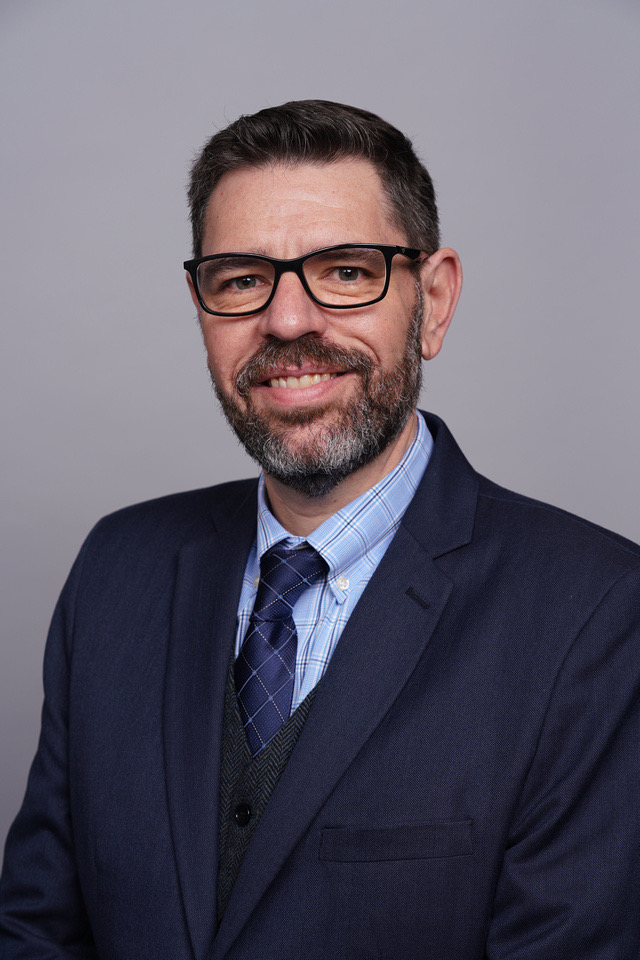
Milcia Collado and Chuck Labow are partners at Avivar Co. If any of this sounds like your business, book a Clarity Call.